Tools
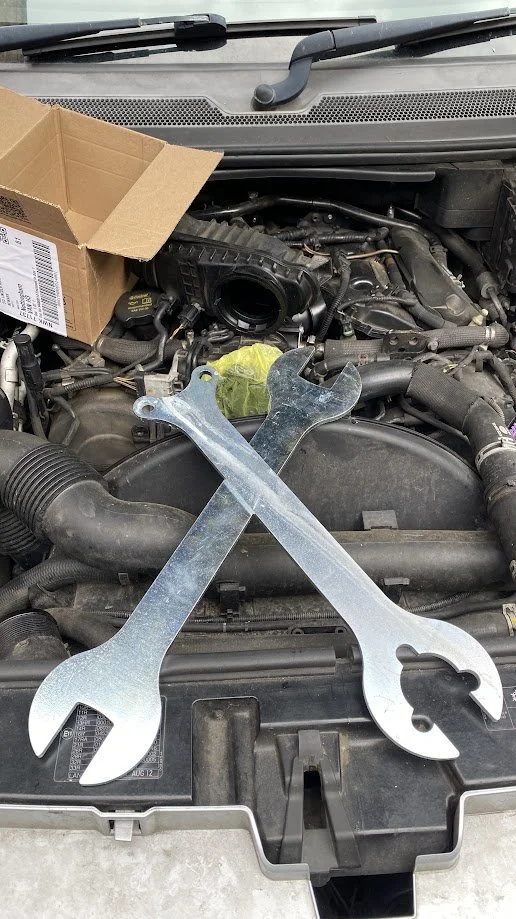
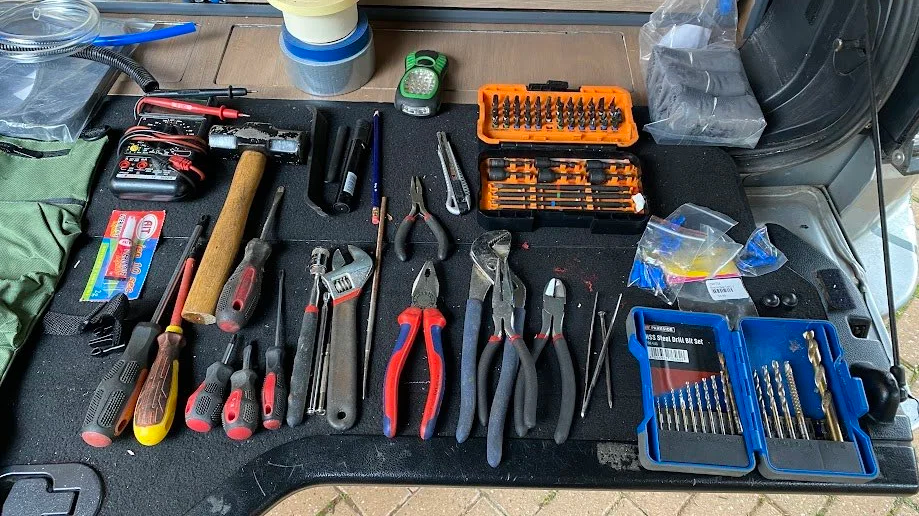
As we mentioned in the previous chapter, we service our cars ourselves, which is very handy for giving us an idea of what parts and tools we might need on the road. As we work on our cars, we learn which clips are prone to snapping or getting lost, and which special tools were great to have when replacing hard to reach parts - and might be useful to carry on the road as well. Even when working on the car in the comfort of our home or garage, we often use tools from the car. And if we need something extra, we use a tool from our garage or buy a new one and then add it to our travel tool roll.
Of course, we can’t bring everything, like all sizes of bearing pullers, ball joint splitters, etc., but since we do a lot of preventative maintenance at home, we hope we won’t need them on the road. In an emergency, we can always improvise. We will publish our full tool and gear list soon.
Spares
We prefer to travel as light as possible, and we know we can’t bring everything for every situation. We’ve also learned—thanks to Murphy’s Law - that the part most likely to fail is usually the one we didn’t pack. That’s why we focus on preventative maintenance at home, so we know the parts will last several thousand kilometers. There’s no point in carrying them as spares if we’re confident they’re in good condition.
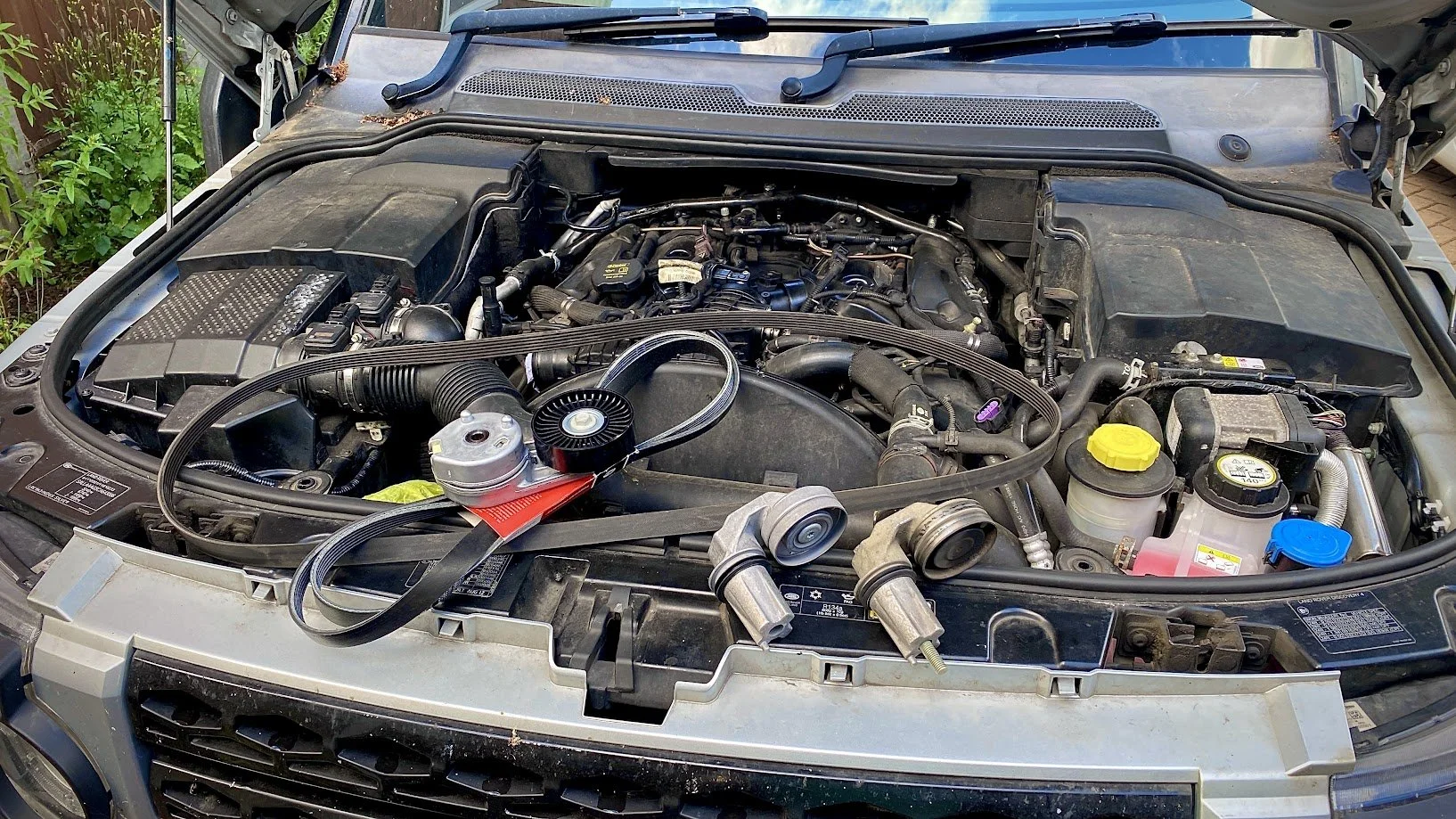
Another category includes basic items - for example, the drive belt (serpentine belt). We usually replace it with a brand-new one before a major trip, and keep the old one as a spare, just in case. It’s always better to replace parts in the comfort of your home or garage than to have new parts sitting in a box, waiting for the old ones to fail - especially since failures usually happen at the most inconvenient times.
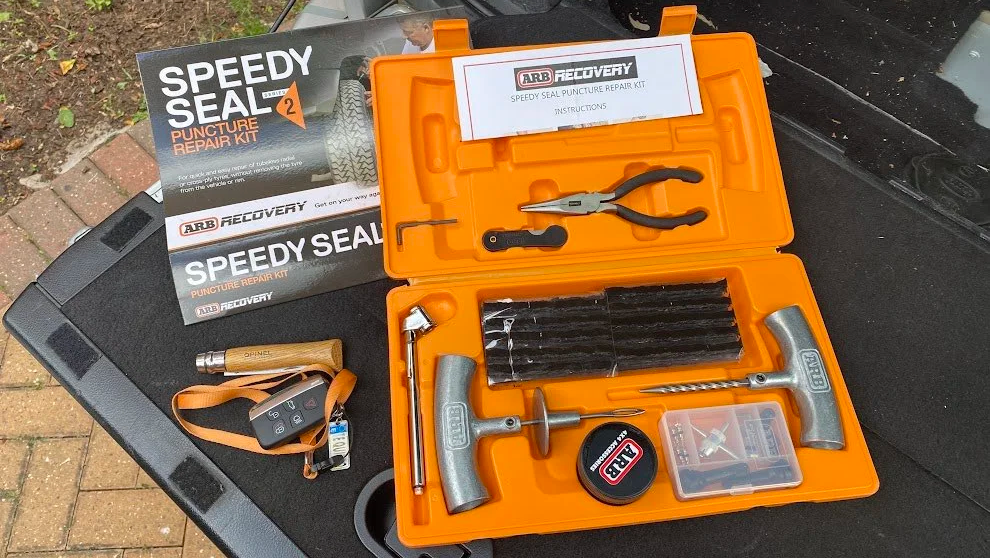
For many parts, it’s easier to carry the means to repair them (like rubber hose repair tape or self-vulcanizing tape) than to carry every single hose in the engine. A good tire repair kit (we use ARB), soldering iron, various wires and connectors, fencing wire, a selection of jubilee clips, assorted bolts, nuts, and washers, various tapes (including exhaust tape), etc. - with a well-chosen set like this, we can usually sort out most issues, or at least make it back to civilization where we can get the parts for a proper fix.
In an emergency, you can be creative. You can use bits from less critical parts or accessories - for example, borrowing a couple of bolts from the roof rack to replace lost bolts/nuts in more important areas. You could remove one nut/stud from each wheel and use them to secure the wheel with snapped ones (while driving slowly and carefully, of course). If you need wire, you can disconnect non-essential lights or accessories. Your car is full of parts you can temporarily sacrifice to get moving again.
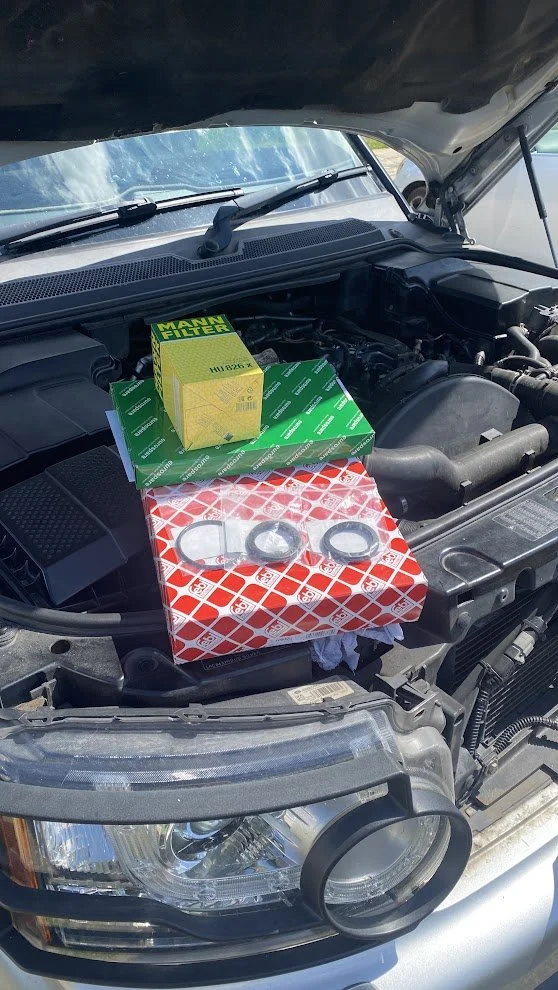
Then there are some known failure points that can stop or delay you like a brake light switch, so we carry small lightweight spares like that. We also always have spare diesel filter, oil filter, air filters, etc.
What we can’t improvise with are fluids. In the case of a small leak, you can usually make it to a garage if you have spare fluids for topping up - but you need the correct ones. We always carry brake fluid, power steering fluid, and engine oil in sealed bottles. This is the safest way, as it prevents spills and, in the case of brake fluid, keeps it from absorbing moisture from the air and degrading.
We also bring consumables like WD-40, various greases, brake cleaner, a paper towel roll, nitrile gloves, and more.
Everyone has a slightly different approach to spare parts, and it’s a personal decision what to bring. Ask yourself: will you be able to replace it yourself? Do you have the tools for the job?
We’ll be publishing our full gear lists (camping gear, spares, tools) on our Patreon page soon, for your inspiration.