Service & Maintenance
Maintaining your vehicle is important—whether you're only driving it to work and back, going on an adventure, if it is your daily drive, motorhome, 4x4, or even boat. We like to keep everything in full working order, avoiding delays in repairs by addressing issues immediately upon discovery and preventing further damage (and extra costs). This gives us the benefit of having a vehicle that’s ready to go on a trip almost anytime, without the need for major preparations—and we know we can rely on it.
Also, fixing broken parts just a few days before leaving on a major trip is not the best idea, as you can’t test-drive it thoroughly enough to be sure the problem was completely resolved without introducing another one.
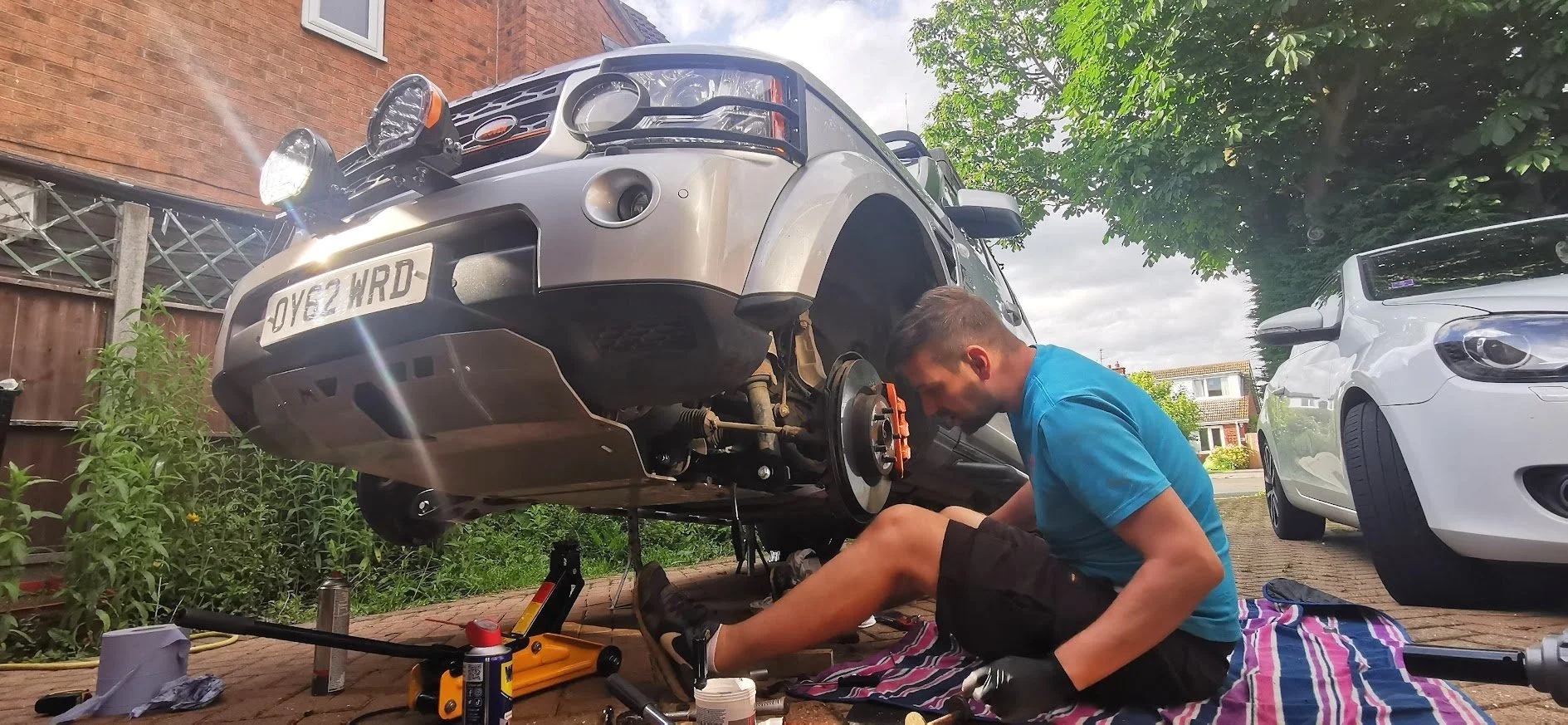
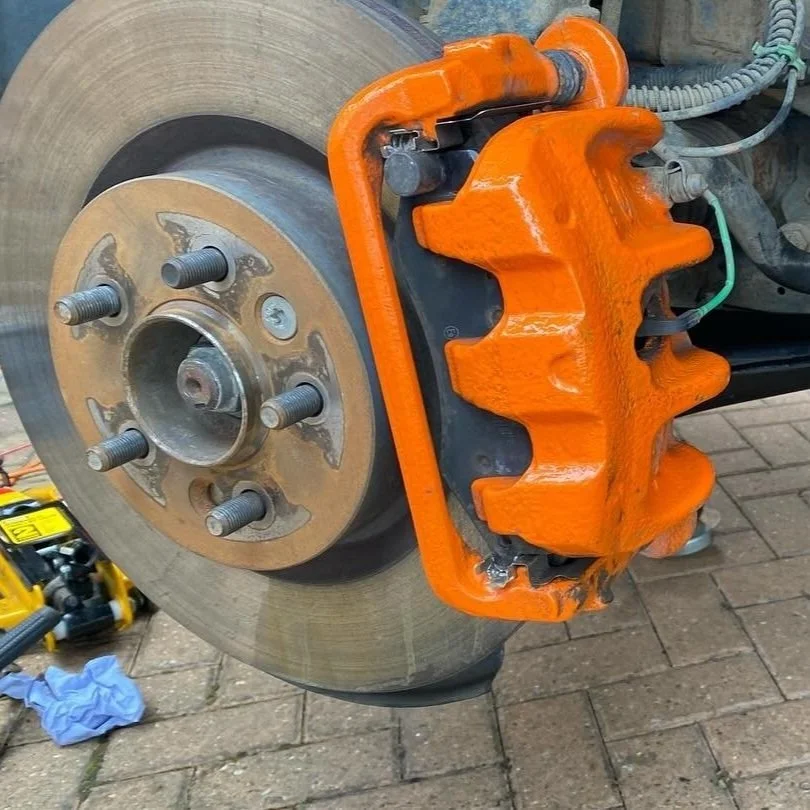
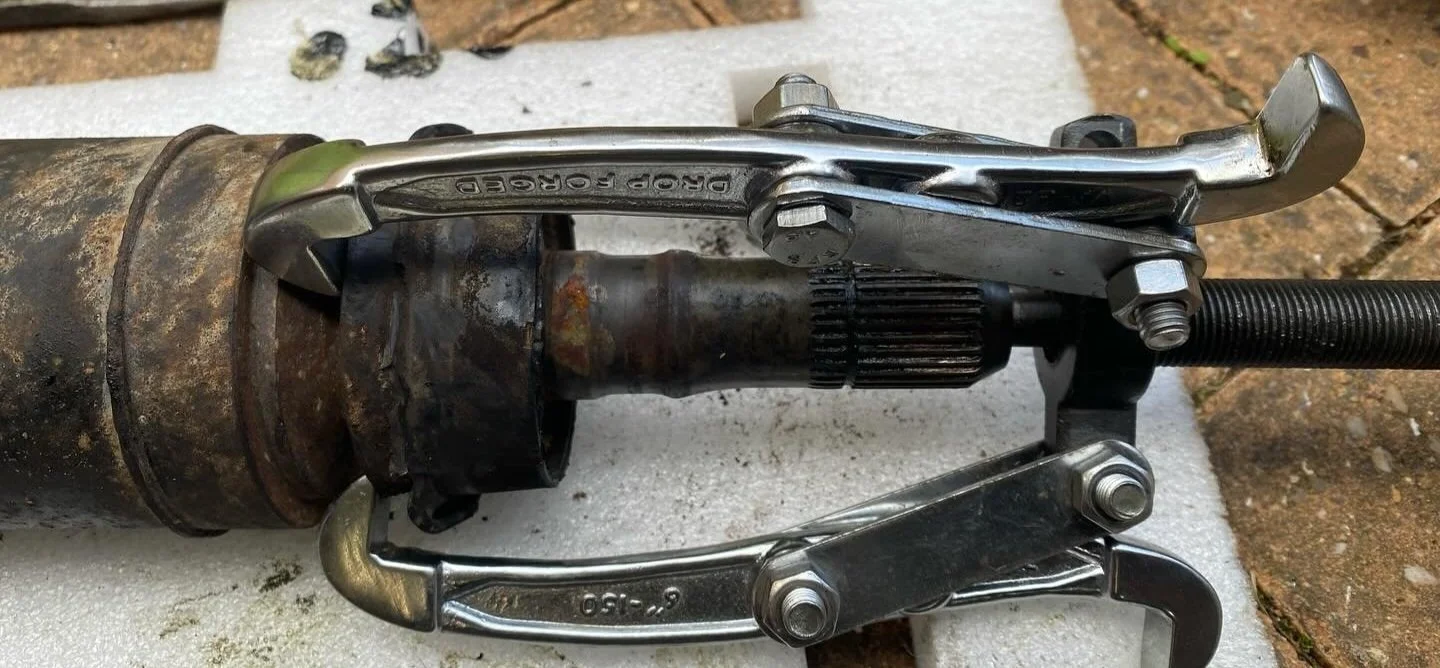
As with everything else, we service our vehicles ourselves. We're not just talking about topping up the washer fluid or doing regular oil and filter changes, but everything—from control arms, wheel bearings, brakes, shafts, bushings, and differentials to transmission fluids, etc.
Servicing cars ourselves has many benefits. First of all, we know exactly what’s been done, what parts in what quality were used, and that everything was completed properly without any shortcuts. In the past, we’ve seen many vehicles with so-called “full service history” or “meticulously maintained” labels that actually had botched repairs, incorrectly fitted parts, missing bolts in hard-to-reach places, etc. — vehicles we simply wouldn’t trust, especially on long trips into very remote areas.
Doing it yourself—and doing it right—is the way to go for us. It saves us from being stranded in the desert due to a failed part and blaming a mechanic for a poor job. Nobody will ever pay as much attention to your vehicle as you will. Doing it yourself is a big responsibility, but doing it properly also gives you peace of mind.
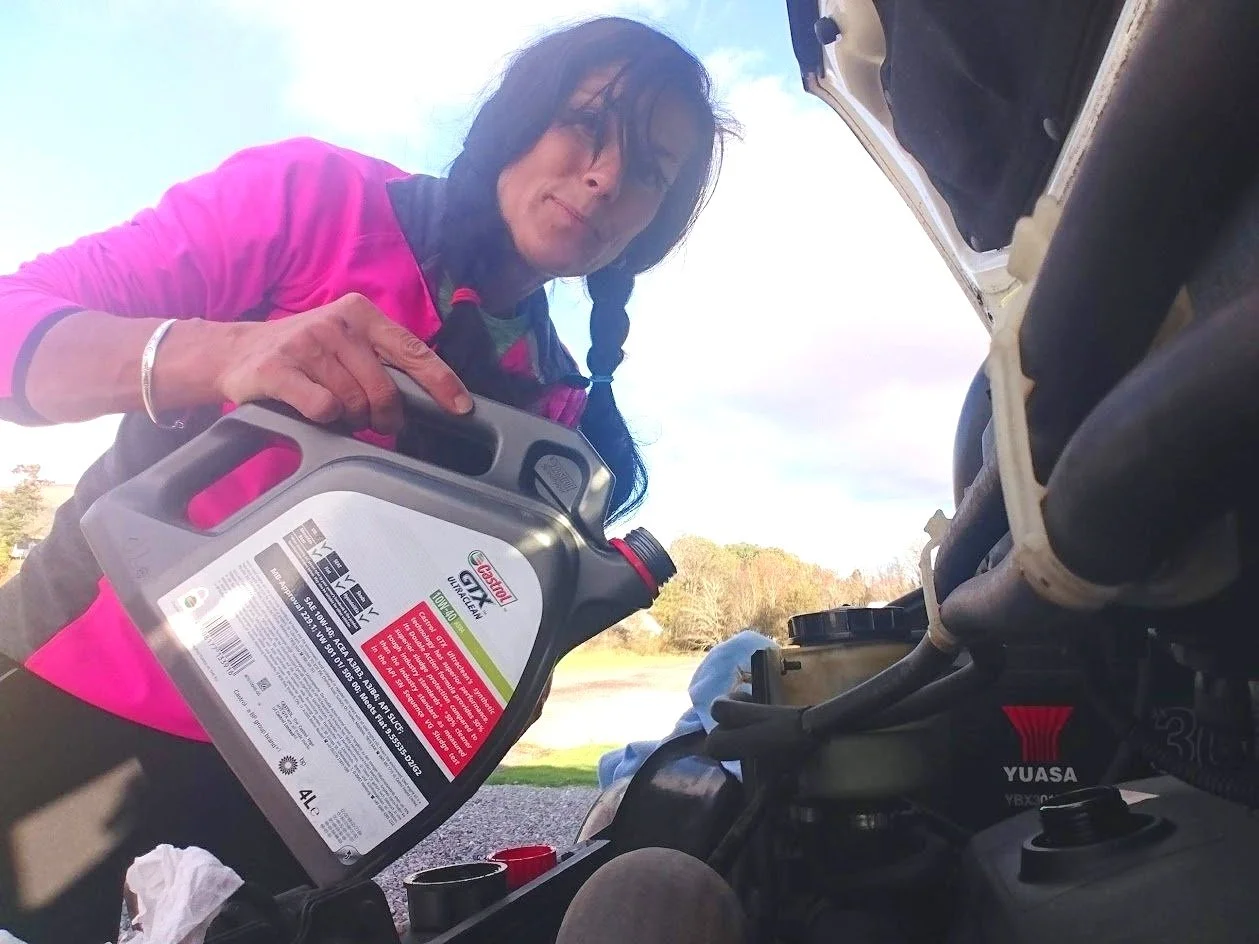
Another advantage of servicing your car yourself is that you learn about your vehicle—what should be where, how parts are fitted—and you'll be able to repair it yourself anywhere along the way because you’ve done it before. It also becomes much easier to diagnose potential problems on the road, since you’ll recognize when something looks different or isn’t quite right, especially if you were the one who fitted that part. This goes hand in hand with having the right tools and spares (more on that in the next chapter).
Also, when you're repairing something, it’s a great opportunity to check other parts—look for leaks that would normally be hidden behind heat shields or skid plates, or check if anything is hanging, coming loose, etc. And while you're in there, it's a good idea to give those areas a proper clean. Again, the average mechanic isn’t likely to check beyond what they were instructed to do—for example, if they were only told to change the brakes.
If you want to learn more about preparing your vehicle and yourself for remote trips, we recommend checking out our consultations